
The History of Jews in Poland
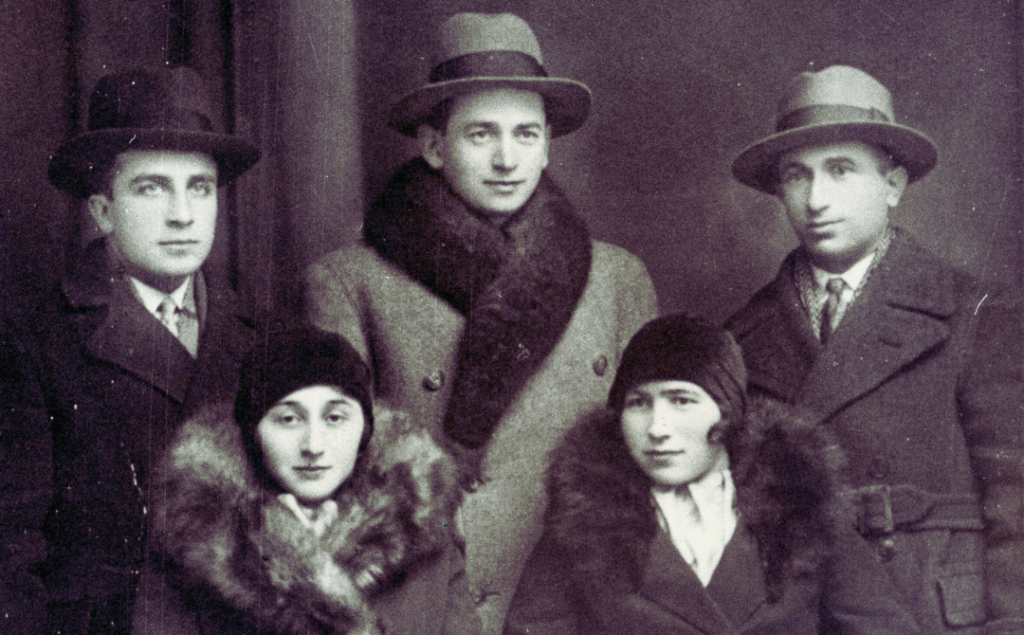
A Thousand Years of Jewish Life in Poland
For centuries, Poland was home to one of the world’s largest and most vibrant Jewish communities, whose history reflects both extraordinary cultural achievement and profound tragedy.
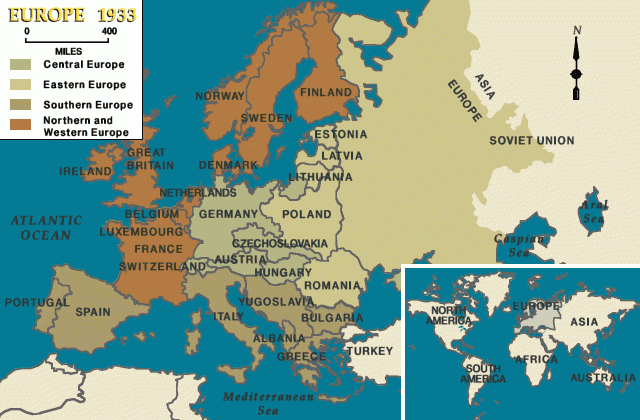
History of Jews in Poland
Detailed History
Jews have lived in Poland for almost a thousand years, with the first major communities forming in the Middle Ages. In the 1200s, Polish kings offered Jews special rights and protection, which encouraged many to move there from Western Europe, where they often faced persecution. Over time, Poland became home to the largest Jewish community in the world. By the 1500s and 1600s, Poland was a major center of Jewish culture, learning, and religious life. For centuries, Jews played an important role in Poland’s economy as merchants, craftspeople, and community leaders.
This long period of growth and security began to change in the later 1700s when the Polish-Lithuanian Commonwealth was divided by the neighboring Austrian, Prussian, and Russian empires and the protected status Jews had previously enjoyed was removed. This political instability, coupled with economic decline and the continued spread of Christian anti-Jewish sentiment, led to increased violence against Jews. Even so, by the early 1900s, Poland was still home to over three million Jews, one of the largest Jewish populations in the world.
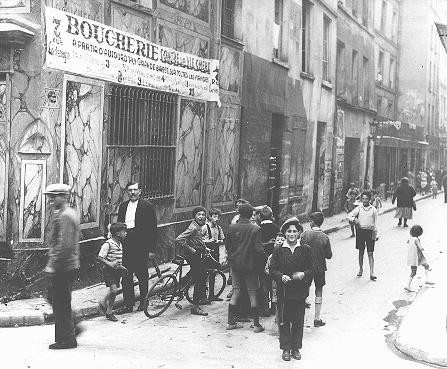
Jewish life was incredibly diverse—some Jews lived in small towns (shtetls) and followed strict religious traditions, while others lived in big cities and took part in modern Polish culture. Secular Jews were active in politics, education, and the arts. Yiddish and Hebrew newspapers were widely read, theaters put on Jewish plays, and Warsaw was a major center of Jewish publishing and intellectual life.
During the Holocaust, however, this vibrant world was nearly destroyed. By the end of the Holocaust in 1945, about 90% of Poland’s Jewish population had been murdered by the Nazis and their collaborators. After World War II, the small number of survivors faced new challenges, including antisemitism, and many chose to leave the country of their birth.
Today, Poland’s Jewish community is a tiny fraction of its prewar population. A small community continues to preserve Jewish history and traditions. Synagogues, cemeteries, and museums serve as reminders of both the richness of prewar Polish Jewry and the tragedies endured.
At-a-Glance Timeline
Middle Ages (c. 1000s–1200s)
First major Jewish communities form in Poland.
Polish kings grant Jews special rights and protection, attracting many fleeing persecution in Western Europe.
1500s–1600s
Poland becomes the largest Jewish community in the world and is a major center of Jewish culture, learning, and religious life.
Jews play important roles as merchants, craftspeople, and community leaders.
Late 1700s
Poland is partitioned by Austria, Prussia, and Russia.
Jews lose the protections they had previously enjoyed.
Political instability, economic decline, and growing antisemitism fuel violence against Jews.
Early 1900s
Over three million Jews live in Poland—one of the largest Jewish populations in the world.
Jewish life is rich and varied:
Jews live in both shtetls and large cities.
Some are very religious, some are influenced by modern ideas and become more secular.
Especially after WWI, Polish Jews took part in politics, music, theater, and learnings.
The Holocaust (1939–1945)
Nazis systematically annihilate Jewish life in Poland.
About 90% of Poland’s Jewish population is murdered.
Post–World War II
Survivors face antisemitism and difficult conditions.
Many emigrate from Poland.
Today
Jewish community in Poland is a small fraction of its prewar size.
Synagogues, cemeteries, and museums preserve Jewish history and traditions.
Life Before the War
Alex Chevion recalls listening to Adolf Hitler’s radio addresses as a teenager in Tarnów, Poland.
Steve Lewkowicz notes how Jewish and Polish students played separately and how the non-Jewish students picked on the Jewish students.
In your classroom:
Share the above History of Jews in Poland and watch the testimonies about prewar life with your class and use the following questions to guide your discussion.
Discussion Questions:
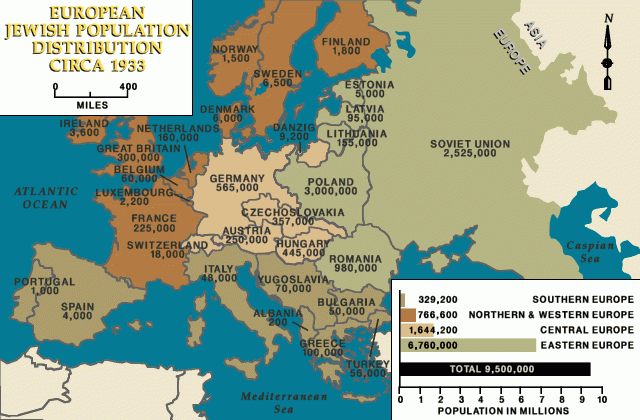
Study the map of European Jewish Population Distribution in 1933 and discuss. Where is the largest Jewish population? The smallest?
Survivors speak about how their families lived as part of a long history of Jewish presence in Poland. How did life for Jews in Poland change over the centuries, and what factors shaped these changes?
In survivor testimonies, many describe schools, synagogues, cultural traditions, and rich communal life before the Holocaust. What were some of the ways Jewish culture thrived in Poland, and why was this diversity important to Jewish identity?
How do you think the Holocaust affected not only individual lives but also the culture and communities that had existed for centuries?
Why did many Jewish survivors choose to leave Poland after World War II?
How do museums and memorials help us remember and understand the history of Jewish life in Poland?
Explore these Classroom Lessons:
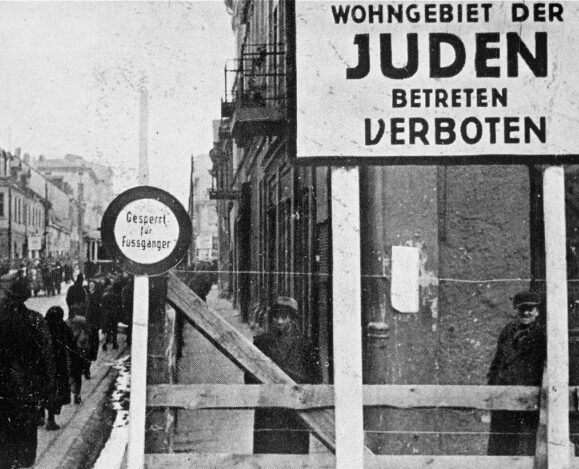
“A Shelter to Call Home” A Young Diarist’s Dream of a Better Future
Deepen your exploration of Polish Jewish History with a classroom lesson featuring Rywka’s Diary published by the JFCS Holocaust Center. Download the lesson >>
Jewish Life in Poland Before the Holocaust
Read a Jewish partisan’s account of how his unit gained the trust and respect of the local population while resisting the Germans. Download the lesson from Facing History & Ourselves >>