
What happens when students are given the tools to confront some of the most difficult chapters in history? They engage more deeply, ask harder questions, and make meaningful connections to the world around them. Across California, teachers are making that possible. A new research brief from the California Teachers Collaborative for Holocaust and Genocide Education reveals what’s working, where challenges remain, and what comes next.
At a Glance: The Impact in Numbers
• 2,347 educators reached statewide through professional development in 2024–25
• 89% of teachers report increased confidence in teaching the Holocaust and genocide
• 92% implemented or planned lessons within months of training
• 98% are using classroom resources from the Collaborative
A Statewide Effort with Real Reach
The Collaborative, a network of 14 organizations, is building a statewide approach to Holocaust and genocide education. The goal is ambitious: by 2029, to reach every California district serving grades 6–12, train thousands of teachers, and impact more than one million students.
That work is already well underway. During the 2024–25 school year, more than 2,300 educators participated in professional learning opportunities, and nearly all reported using the Collaborative’s classroom resources.
Even more striking, 89% of educators said they felt more confident teaching this material after participating.
How Teachers Are Bringing the Training to Their Classrooms
Teachers are not just attending workshops; they are applying what they learn. Within just a few months of participating in the Collaborative’s Summer Institute, 92% of educators had already taught or planned to teach about the Holocaust and genocide that school year.
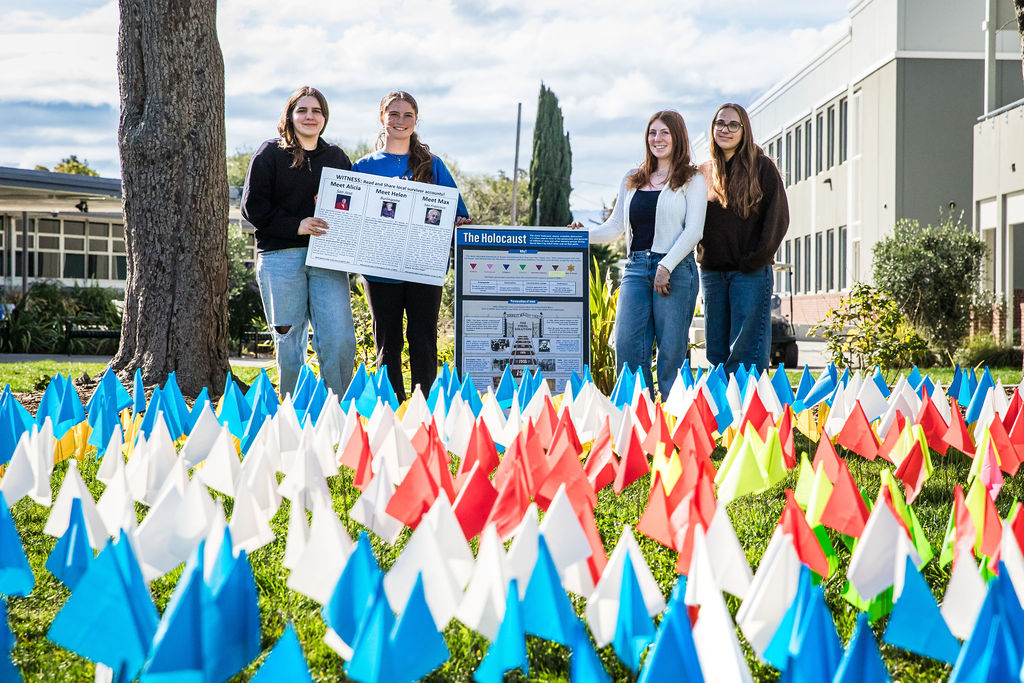
Inside classrooms, these lessons are resonating. Students are engaging with primary sources, testimony, and visual media—approaches that help them connect emotionally and intellectually. Teachers report that even students who were previously disengaged are leaning in, asking questions, and making connections to the world around them.
This reflects a broader shift: Teaching the Holocaust and genocide is not only about conveying historical facts. It is about helping students understand the consequences of unchecked bias and the responsibilities they carry in their own communities.
The Power and Limits of Time
Despite this progress, the study shows that time remains a significant challenge.
Most teachers are only able to dedicate one to four lessons to the Holocaust and genocide.
That constraint shapes everything—from how deeply topics can be explored to how effectively students can build understanding. Some educators struggle to integrate the material into existing curricula, while others are still developing confidence with the content itself.
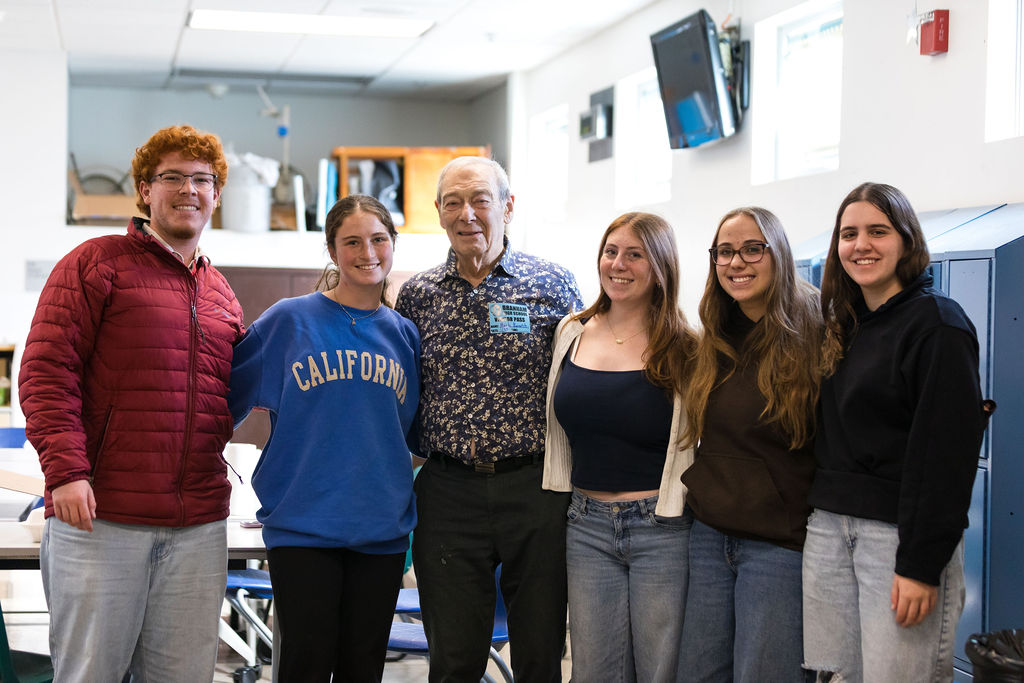
At the same time, the impact of even brief exposure is clear. Teachers report strong student engagement, particularly when lessons include personal stories and survivor testimony—elements that make history immediate and human.
Teachers Are Multipliers
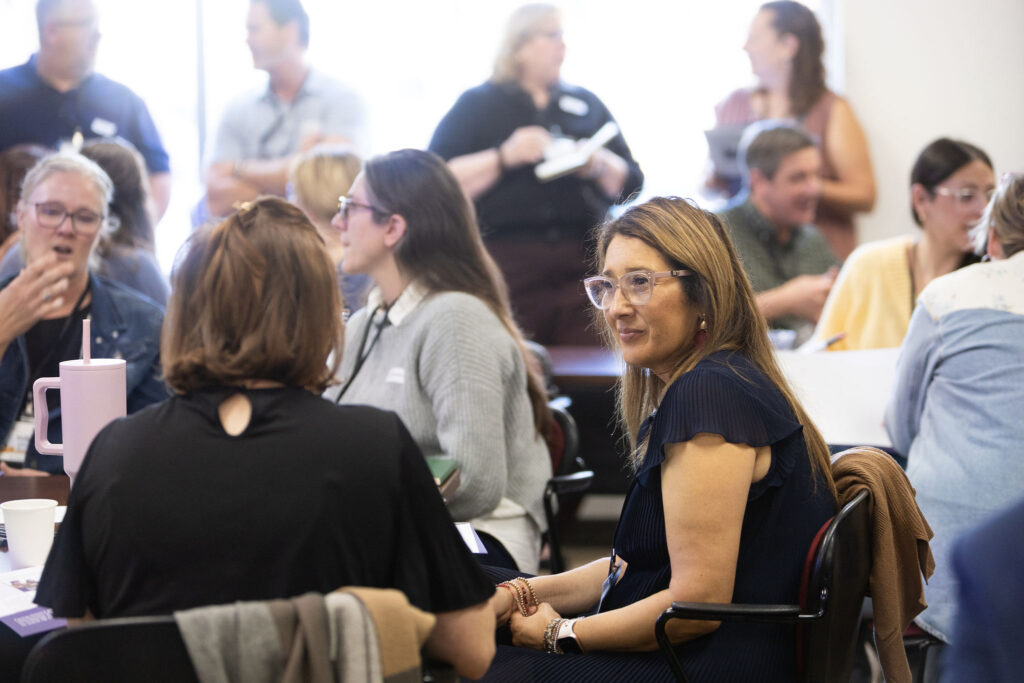
One of the most encouraging findings is how educators extend the Collaborative’s reach. More than half share what they’ve learned with colleagues—through emails, department meetings, and even district-wide presentations.
This kind of peer-to-peer learning is critical. It means that each engaged teacher becomes a multiplier, expanding access to high-quality Holocaust and genocide education far beyond a single classroom.
What Teachers Are Asking For
The study also makes clear that educators need more support.
Teachers consistently asked for shorter, flexible lesson plans that can fit into a single class period, as well as differentiated materials that meet the needs of diverse learners.
These requests reflect the realities of today’s classrooms. Educators are balancing packed schedules, varied student needs, and evolving curricular demands. To meet those challenges, resources must be both rigorous and adaptable.
The work of the Collaborative continues to grow, with new partners and expanding resources. But the study underscores an essential point: meaningful Holocaust and genocide education depends on sustained investment in teachers.
Looking Ahead
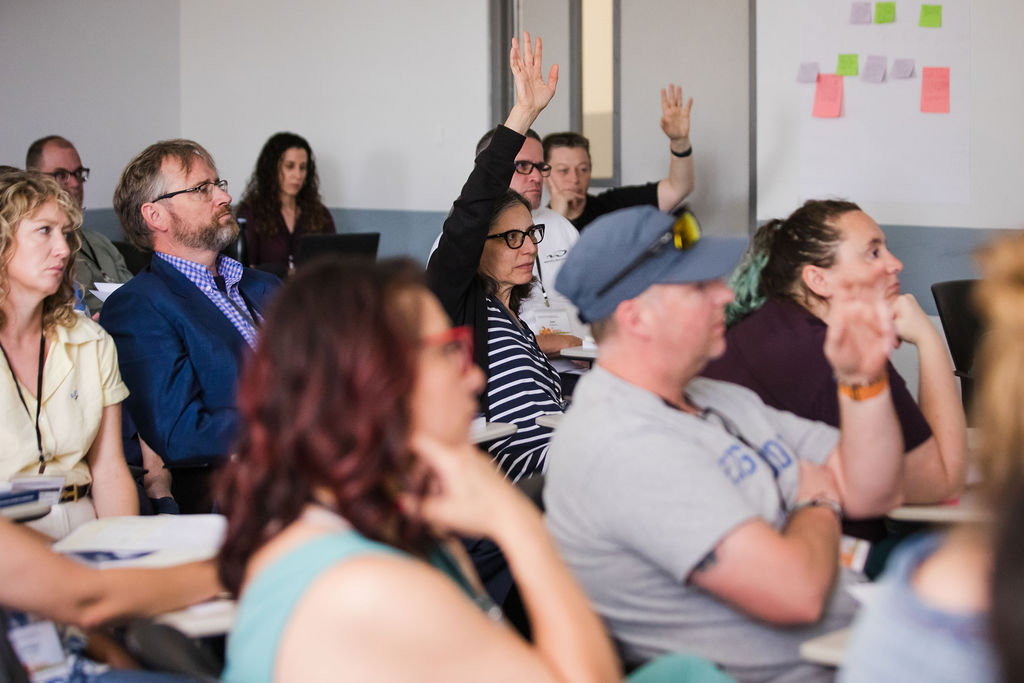
When educators are equipped with strong content knowledge, effective tools, and ongoing support, they create learning experiences that stay with students long after the lesson ends.
Holocaust education must do more than recount history. It must help young people build understanding, strengthen identity, and engage with the moral questions that history demands.
This research shows that when teachers are given what they need, that kind of learning is not only possible, but through the Collaborative, is already happening.